Optimal Timing for Bee Hive Removals
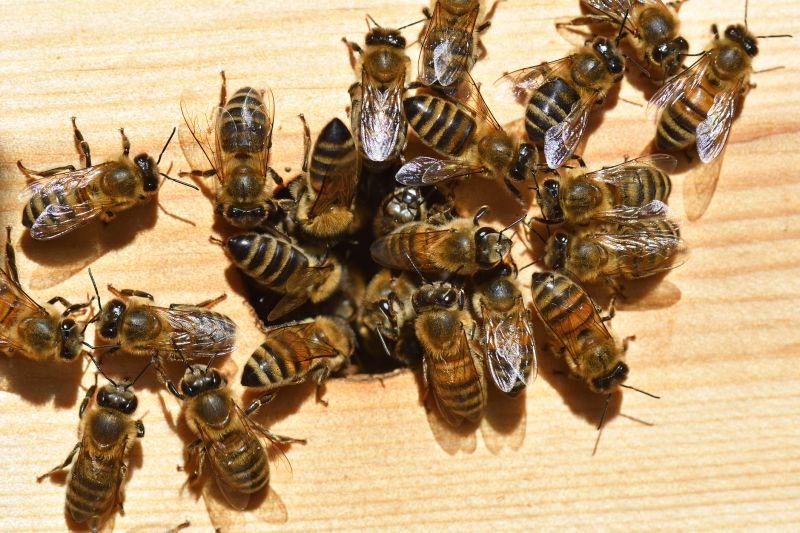
Spring sees increased bee activity, making it an ideal time for hive removal before colonies expand.
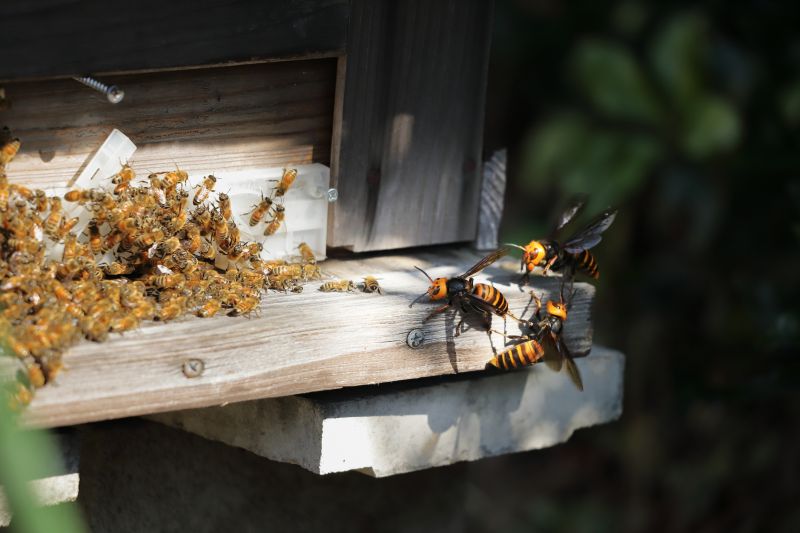
Summer is warmer, but hive removal during this period can disrupt active colonies and is often less favorable.

Fall and winter are less suitable for hive removal due to reduced bee activity and the risk of colony collapse.
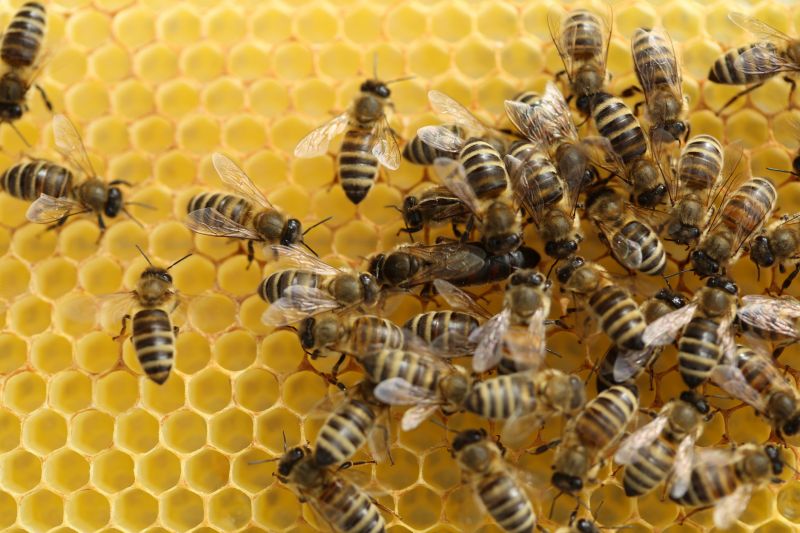
Ways to make Bee Hive Removals work in tight or awkward layouts.

Popular materials for Bee Hive Removals and why they hold up over time.
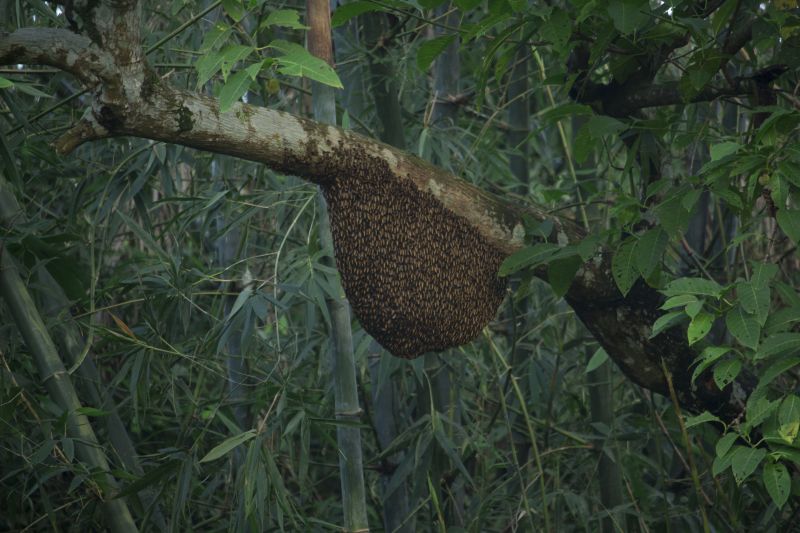
Simple add-ons that improve Bee Hive Removals without blowing the budget.
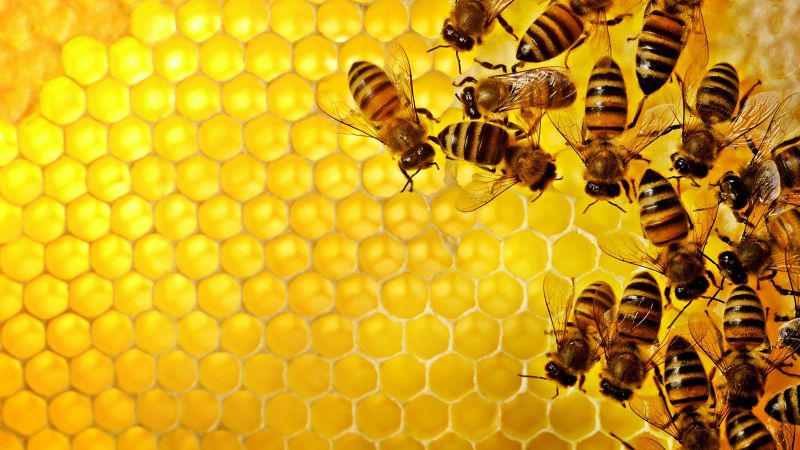
High-end options that actually feel worth it for Bee Hive Removals.
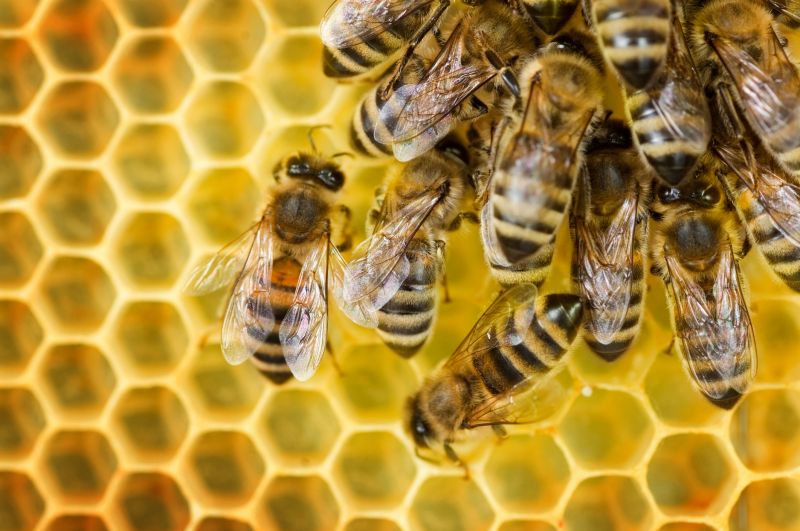
Finishes and colors that play nicely with Bee Hive Removals.
Bee hive removals are most effective when conducted during specific times of the year. The timing impacts the safety of the removal process, the health of the colony, and the potential for colony relocation or management. Understanding bee behavior and seasonal patterns is crucial for planning effective hive removal operations.
Spring allows for safe removal before the hive becomes too large, reducing risk and ensuring better colony management.
Seasonal changes influence bee activity levels, with more active colonies in warmer months and hibernation periods in colder months.
Colony development peaks in late spring and early summer, making these periods optimal for hive removal and relocation.
Dry and mild weather conditions facilitate safer hive removal, avoiding complications caused by rain or extreme heat.
Bee hives can contain thousands of bees and are often located in hard-to-reach areas. Proper timing ensures minimal disturbance to local ecosystems and reduces the risk of bee stings or colony collapse. Timing also influences the success rate of hive relocation or removal, especially when colonies are preparing for overwintering.

Specialized tools are used for safe and effective hive removal during optimal seasons.
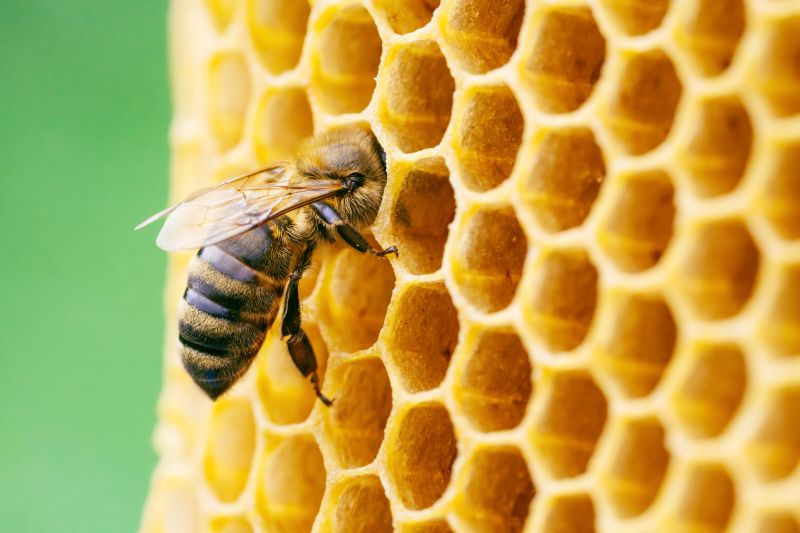
Understanding bee behavior during different times of year helps in planning successful hive removal.

Proper cleanup and hive sealing are essential after removal, especially during active seasons.
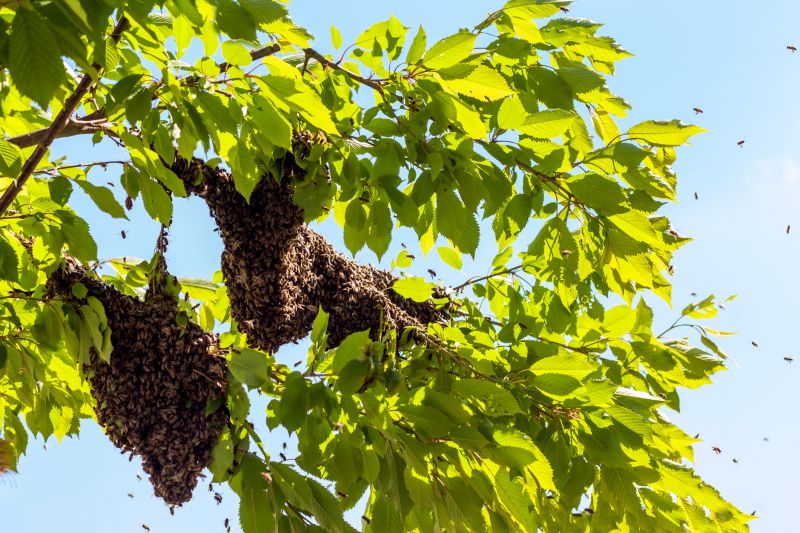
Timing influences the likelihood of successful colony relocation and health.
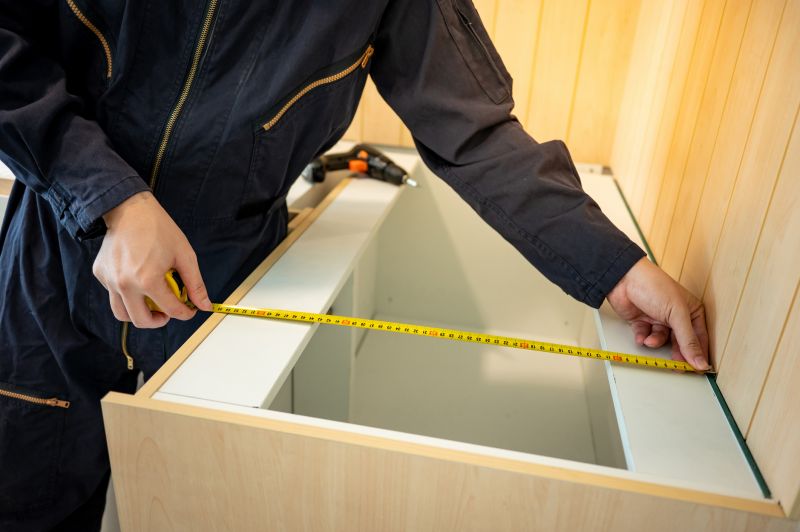
Little measurements that prevent headaches on Bee Hive Removals day.

A 60-second routine that keeps Bee Hive Removals looking new.
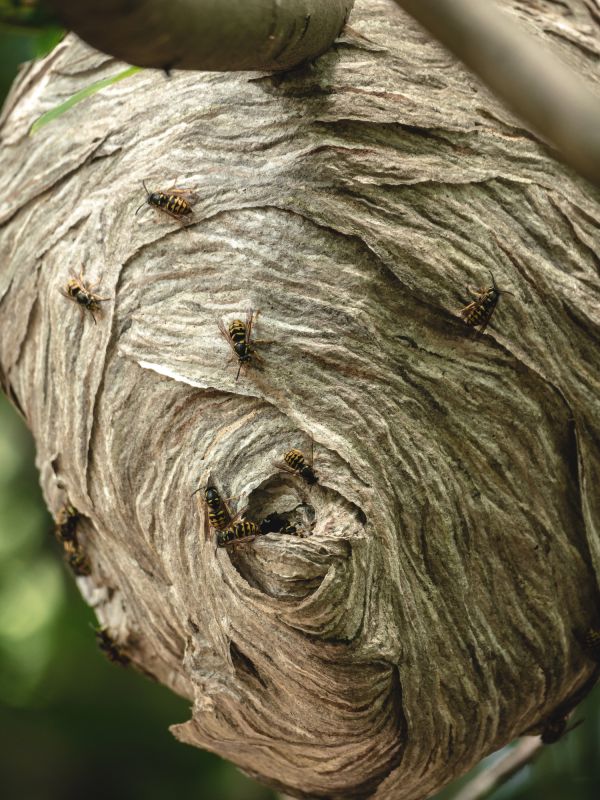
A frequent mistake in Bee Hive Removals and how to dodge it.

Small tweaks to make Bee Hive Removals safer and easier to use.
| Season | Suitability for Bee Hive Removals |
|---|---|
| Spring | Highly suitable, colonies are active and manageable. |
| Summer | Less ideal, colonies are at peak activity and may be disturbed. |
| Fall | Moderately suitable, colonies prepare for winter, but activity decreases. |
| Winter | Least suitable, bees are hibernating and colony removal is challenging. |
Understanding the seasonal patterns of bee activity helps in scheduling hive removals for safety and effectiveness. Proper timing minimizes risks to both the bees and the property owner, ensuring a humane and efficient process.
Spring is marked by increased foraging and hive expansion, making it ideal for removal.
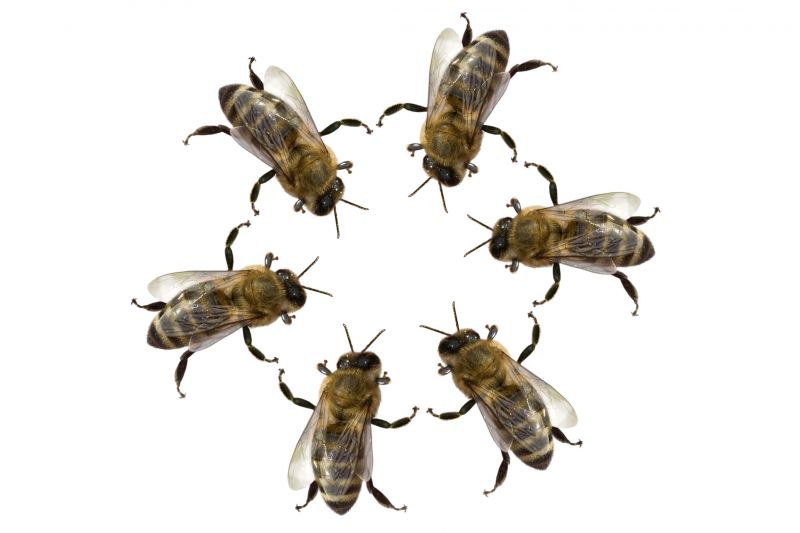
Active colonies require careful handling during summer removals to prevent colony stress.
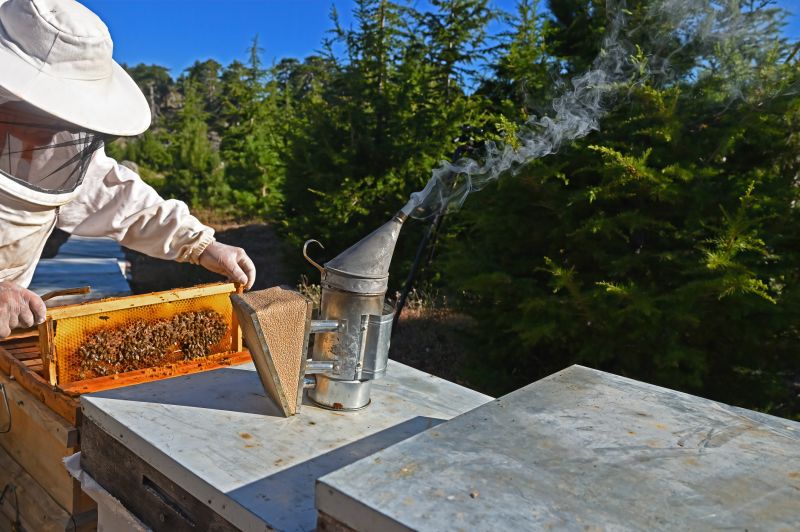
Bees begin preparing for winter, and removals should be planned accordingly to avoid disrupting their cycle.
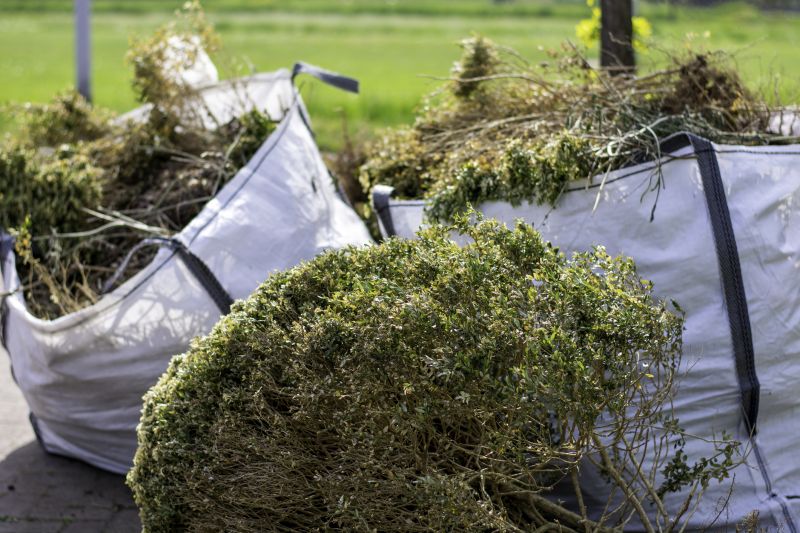
Lower-waste or water-saving choices for Bee Hive Removals.

The short, realistic tool list for quality Bee Hive Removals.
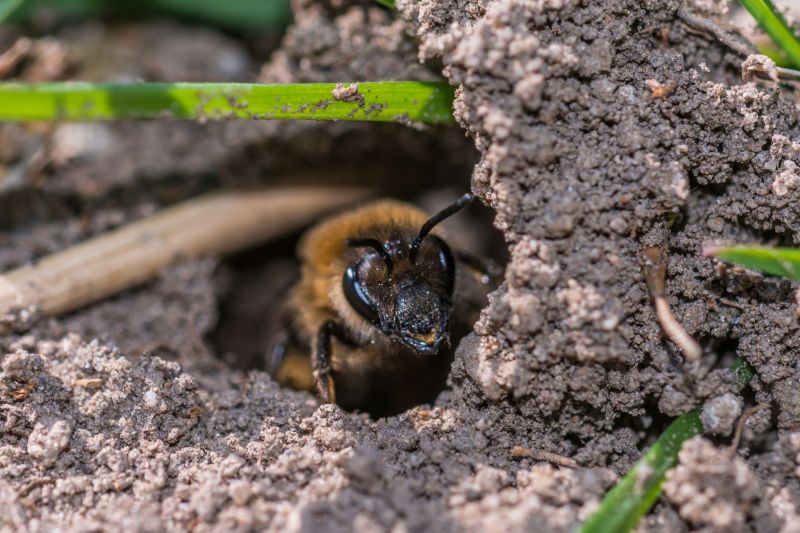
Rough timing from prep to clean-up for Bee Hive Removals.
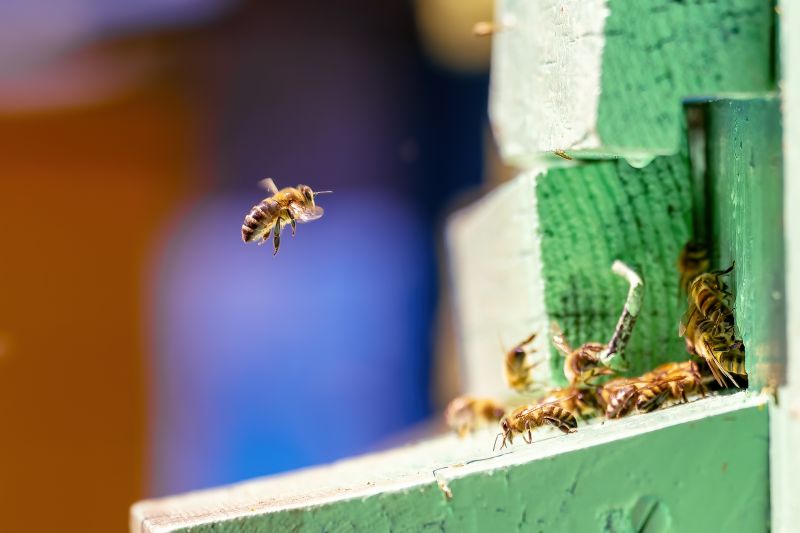
Quick checks and paperwork to keep after Bee Hive Removals.
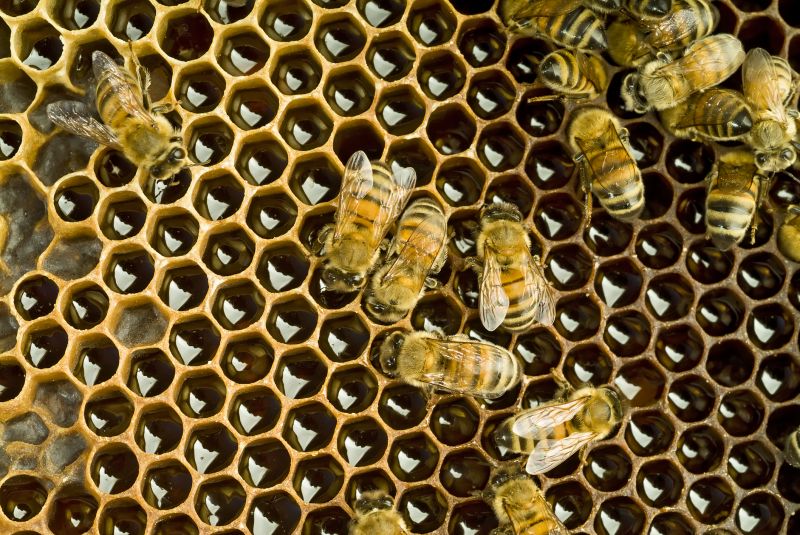
Examples that show the impact a good Bee Hive Removals can make.
Timing hive removals correctly ensures the safety of both the bees and property. It also enhances the likelihood of successful colony relocation or hive cleanup, reducing future risks and maintaining ecological balance.
Interested in scheduling a bee hive removal? Filling out the contact form provides a convenient way to get more information and plan for a safe and effective removal process.